Peter J. Marina
I was meditating on Holbox beach after sunset, sitting by a wooden walkway as waves rolled in with the evening tide. Then I heard it: a seagull’s distress call. I tried to ignore it at first, to “let nature take its course.” But the second panicked cry changed everything.
I jumped into the crashing waves to find a helpless seagull surrounded by five or six raccoons moving in for the kill. She was in shock but alive. I scooped her up, held her against my chest, and ran.
“¡Ayúdame! ¡Ayúdame!” I screamed, bursting into a beach bar full of tourists. They gave vague directions to a vet clinic, probably closed. It had rained all day, and Holbox’s unpaved streets had become rivers. I ran through waist-deep floodwater, desperately searching for the clinic, taking wrong turns, hoping I wasn’t too late.
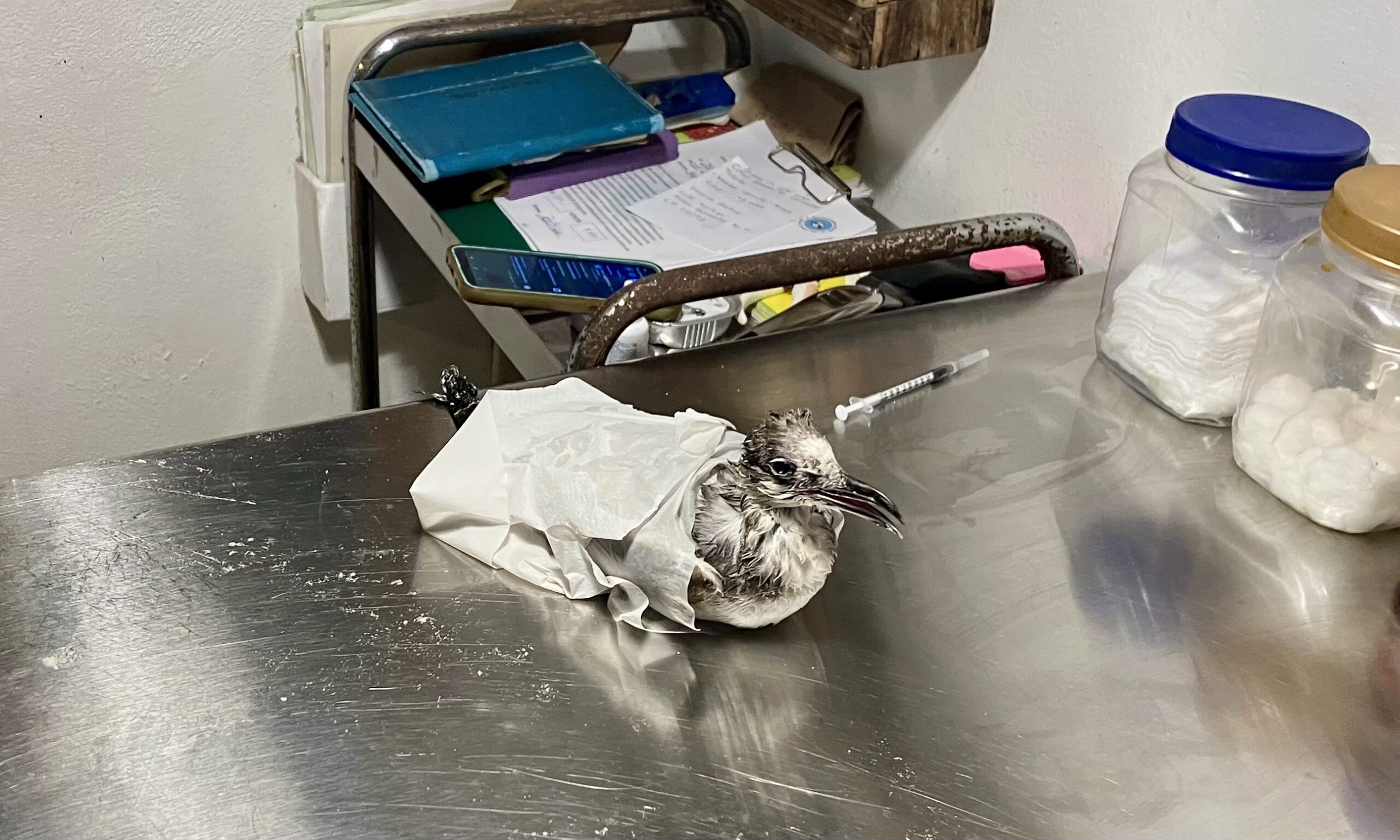
After thirty minutes, I found it: an animal rescue normally closed at that hour. By chance, they were open because a mother dog had complications giving birth. I banged on the door, screaming for help. When they opened, I handed them the seagull and emptied my entire wallet onto their table without counting. “Please, save her.”
They promised they would.
Two months later, I returned to find Ms. Nelly had spent six weeks there “on vacation,” eating, healing, resting. My money had paid for it all. Then she flew away, healthy and free.
This moment crystallizes why I became a sociologist: to understand how power determines which lives matter. Why did I run through floodwaters for one seagull when billions of animals suffer systematically every day? Because in that instant, Ms. Nelly wasn’t an abstraction. She was a terrified, sentient being whose life had inherent worth.
This is vegan sociology’s foundation: recognizing that the structures of domination exploiting humans also commodify and destroy non-human animals. At Holbox, I witnessed capitalism treating animals as resources: tourism disrupting ecosystems, fishing industries destroying habitats, strays abandoned when no longer “cute.” The sanctuary exists because our economic system creates endless animal suffering, then abandons the casualties.
But I also saw resistance. People dedicating their lives to rescuing animals who will never “produce” anything. This is Mills’ sociological imagination in action: connecting personal troubles (one injured seagull) to public issues (systemic violence against animals).
Vegan sociology extends critical analysis beyond human society. The hierarchies creating racism, sexism, and class exploitation also normalize speciesism. Walking through any city, I see dead animals everywhere: on plates, in leather, in cosmetics. People consume what advertisers conditioned them to want, rarely questioning the violence required.
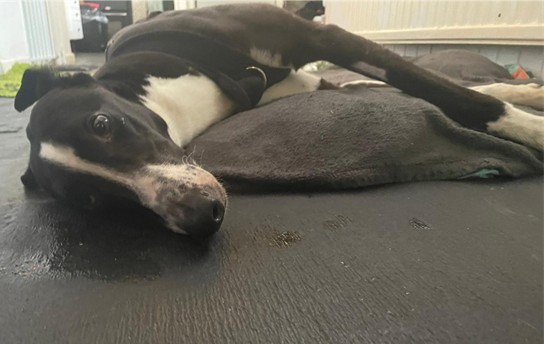
But sanctuaries like Refugio Animal Holbox on this Mexican Caribbean island create spaces outside capitalist logic, where animals aren’t commodities but neighbors. Where Ms. Nelly’s recovery mattered because her life had inherent worth, not because it served human interests.
I now volunteer at that sanctuary every time I return to Holbox. I think about Ms. Nelly constantly, still out there somewhere, living free from the systems that nearly killed her. That’s the world vegan sociology imagines: one where all beings can simply live.
Peter J. Marina is a New Orleans native, sociologist, and criminologist, and an Associate Professor of Sociology and Criminology. Trained at the New School for Social Research, Marina’s scholarship focuses on urban ethnography, transgression, and social inequalities, with particular attention to human rights, policing, and communities living on society’s margins. He is the author of Human Rights Policing: Reimagining Law Enforcement in the 21st Century, Down and Out in New Orleans, and several other books and articles. Marina’s thinking examines

 Photo Credit: B. de los Arcos